Come Hell Or High Water
Come Hell or High Water reimagines the museum as an ark for interspecies living. For the last several years, SUPERFLEX has been developing artworks that can simultaneously function as art, infrastructure, and housing for marine life, imagining a world in which humans live in greater ecological equality with other species. The exhibition introduces a new long-term project The Ark Factory, in which parts of a large-scale sculpture of an ark will be constructed in the exhibition space, in preparation for flooding. This ark, however, will not float—it will serve as a reef that fosters biodiversity as glaciers melt and sea waters rise. Species are going extinct every day, and this ark will be a vessel that carries living creatures into the future, with or without the human species as passengers.
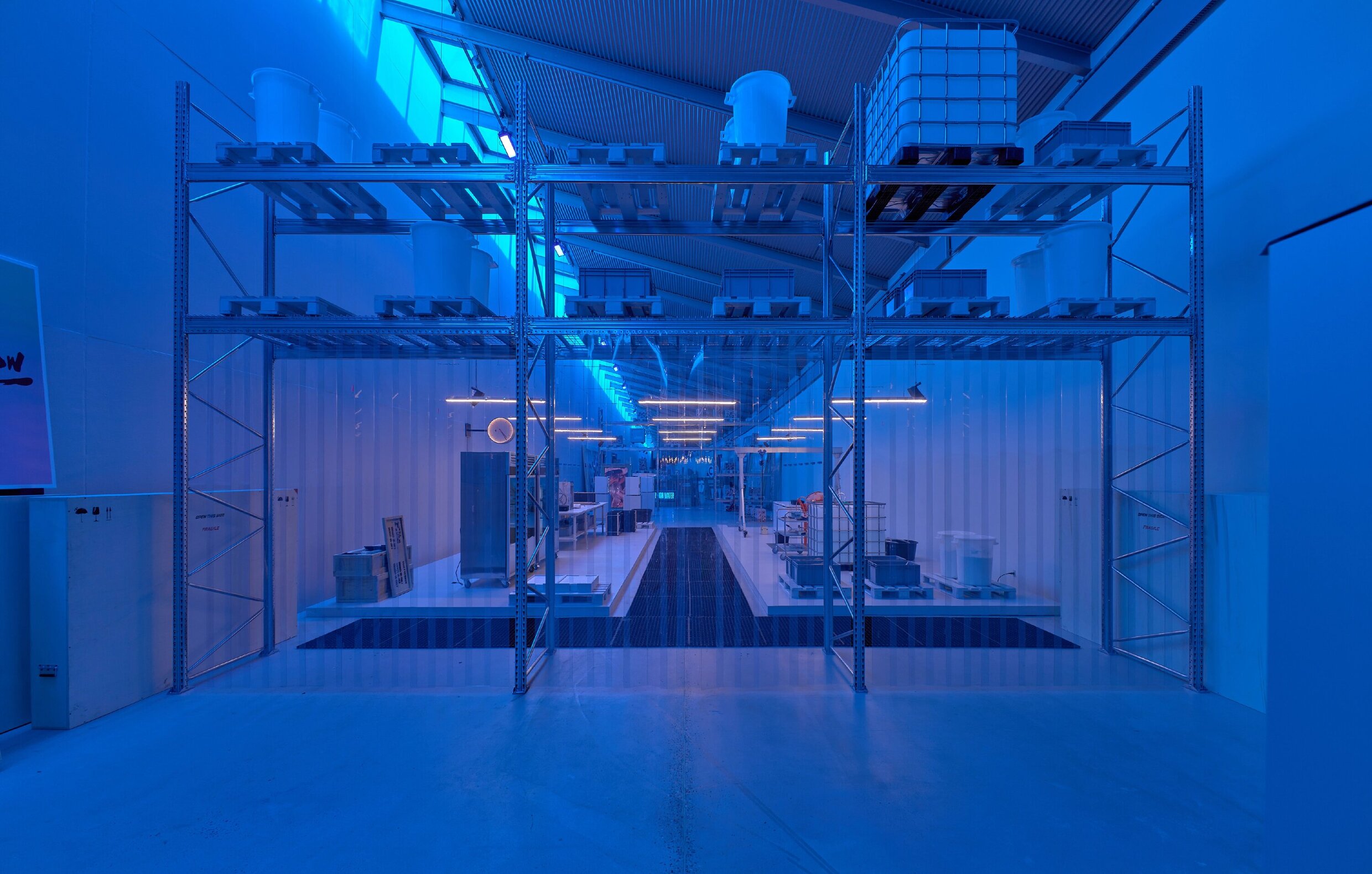
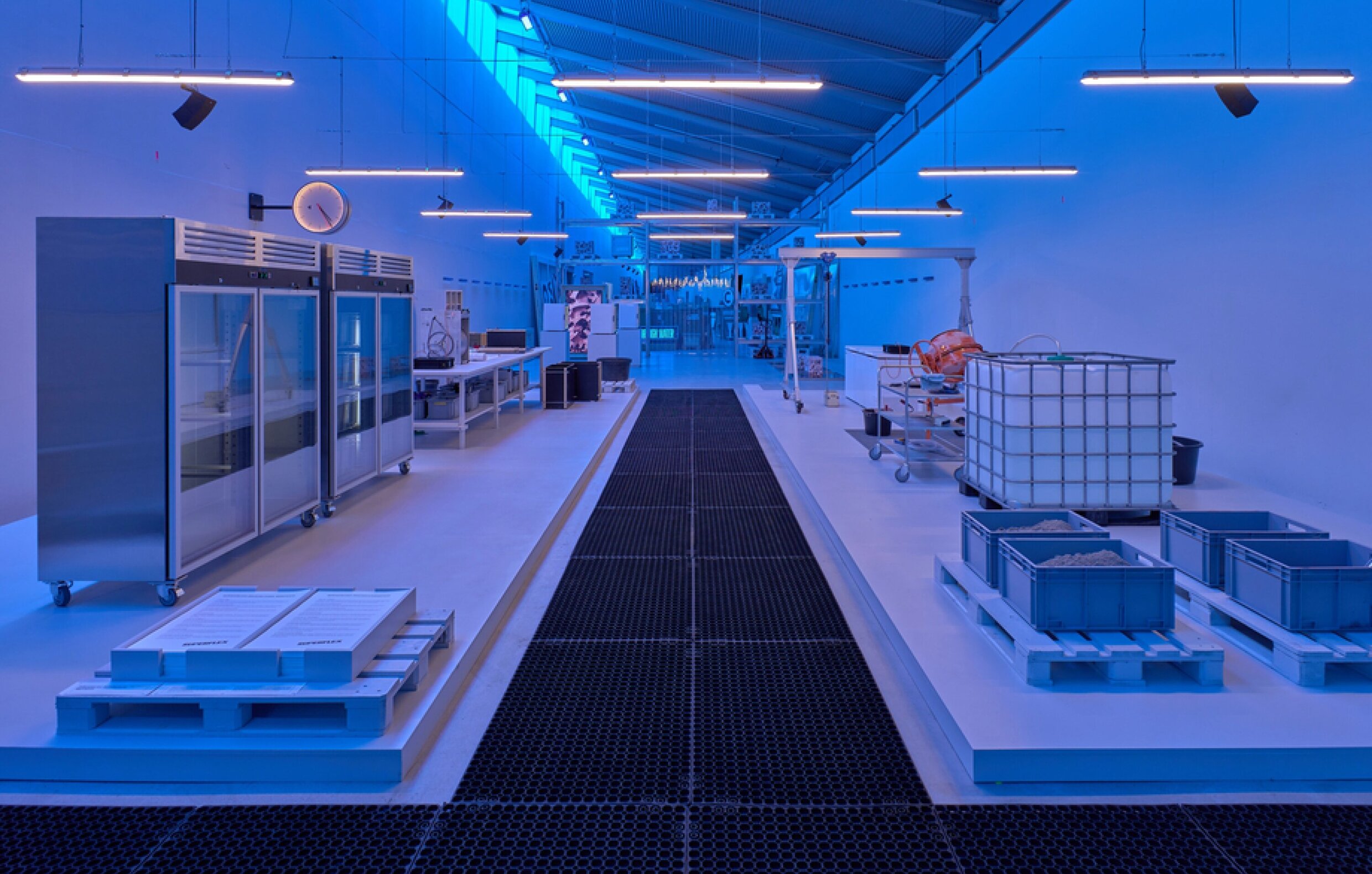
The Ark Factory will be presented in the axis room of Arken. Over the course of the exhibition, sections of the ark will be made in real-time by three to five workers. The ark is built from concrete blocks formed by an experimental technique developed by PhD Vasily Sitnikov called “Ice Form Works” that involves putting ice into the material while it is drying, so that when the ice melts away, it leaves holes. This material can be just as structurally strong as concrete but uses less material. By maximing the surface area of the block, it also serves the purpose of creating habitable surface for underwater life, fulfilling the design parameters of SUPERFLEX’s “Interspecies Architectural Manifesto.” The elements made in the factory will fit together to form the bow of an ark. After the show, SUPERFLEX plans to continue making elements of the ark until it is complete; it will be a large-scale collective effort to construct a new model of coexistence.
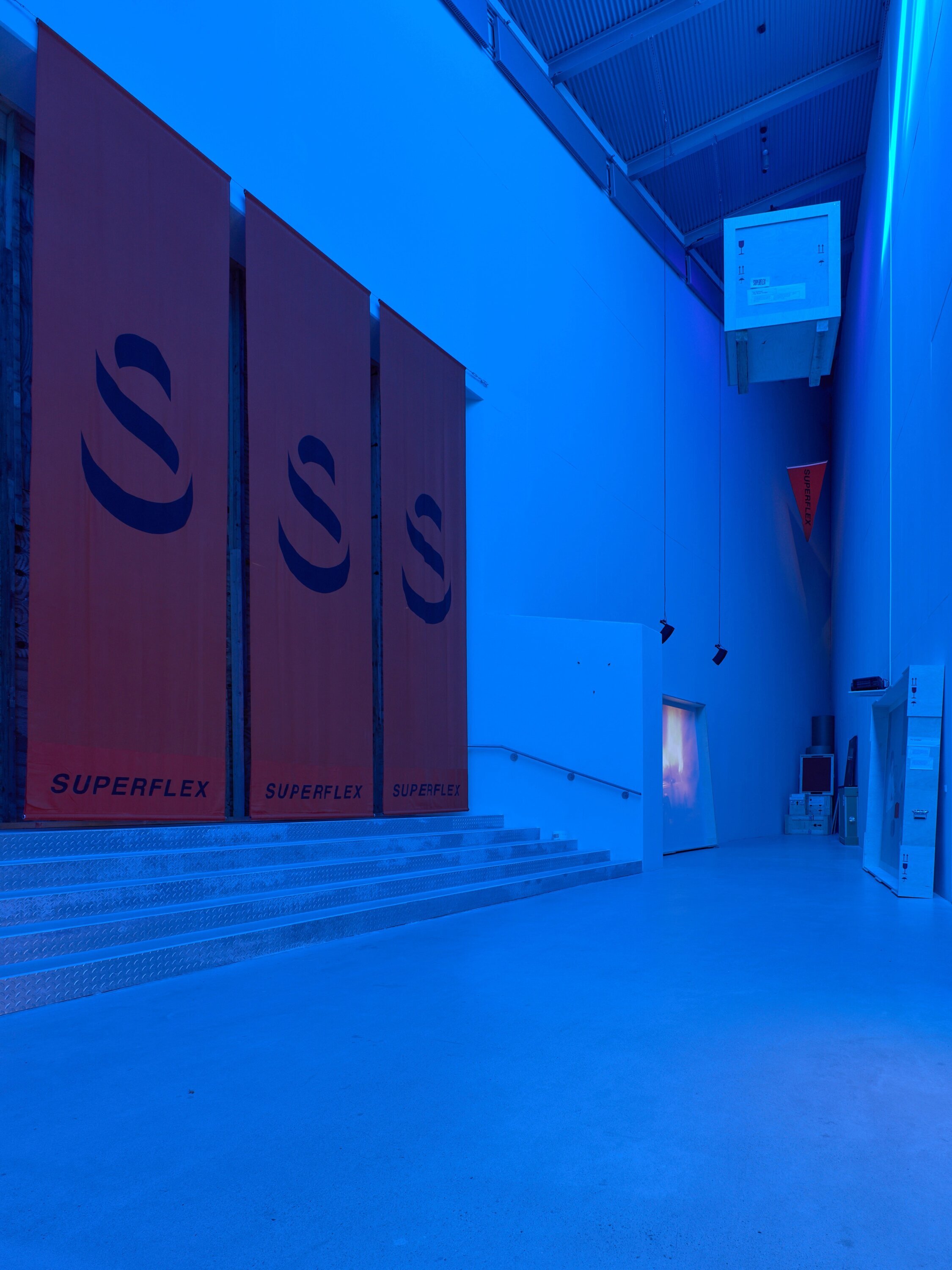
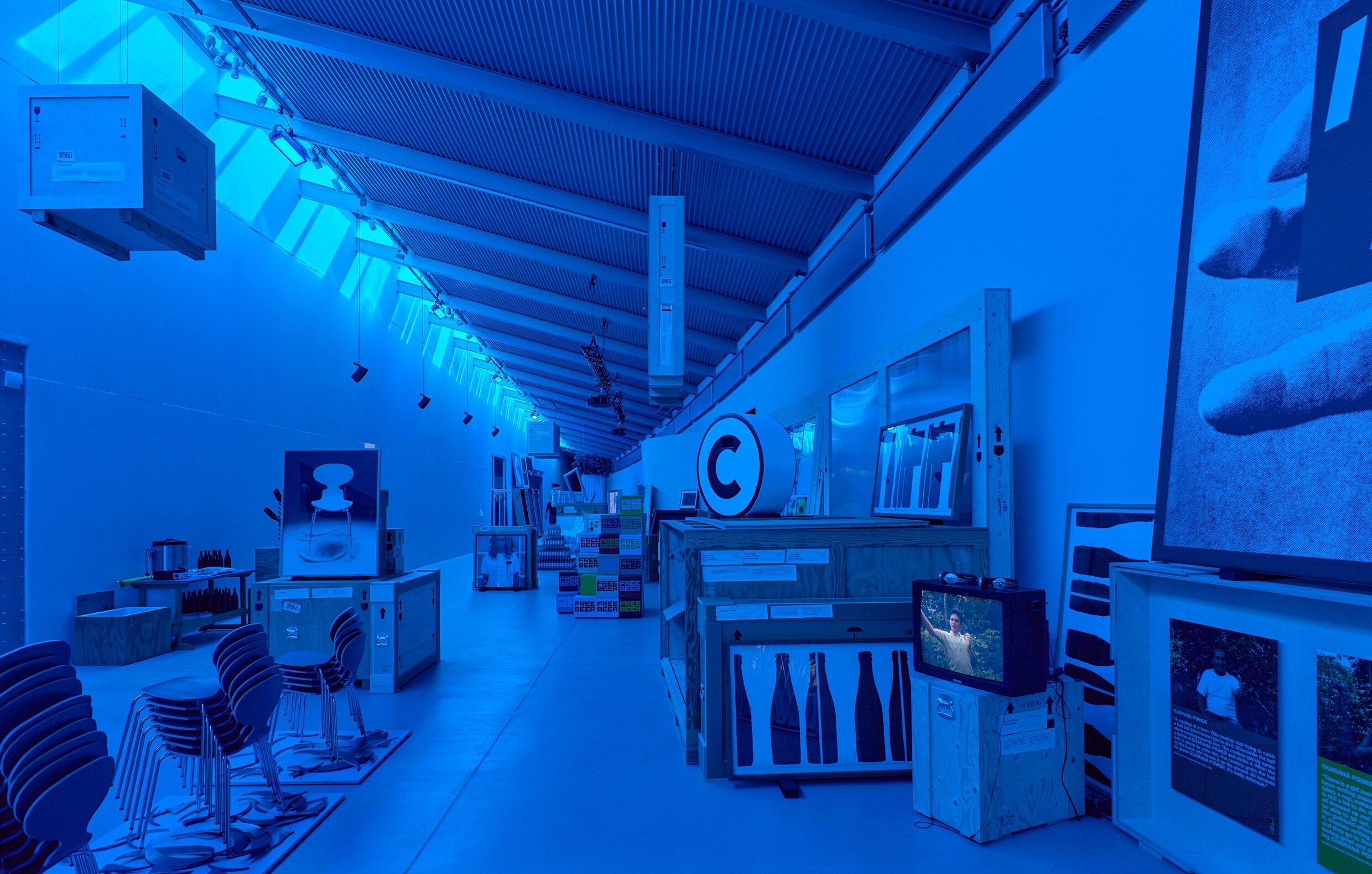
In the factory area, a clock will run wild, its hands spinning out of control. This clock relates to the time of the workers in the factory, as well as functioning as a wayward countdown to sea-level rise. High up at the front of the axis, a SUPERFLEX flag will hang (the group’s first artwork from 1993, which introduced the update artist SUPERFLEX) blowing in the wind, as if it were on the bow of a ship. Furthermore, blue light will stream in from the skylights, suggesting either the sky or the sea, as if the museum has already been submerged.
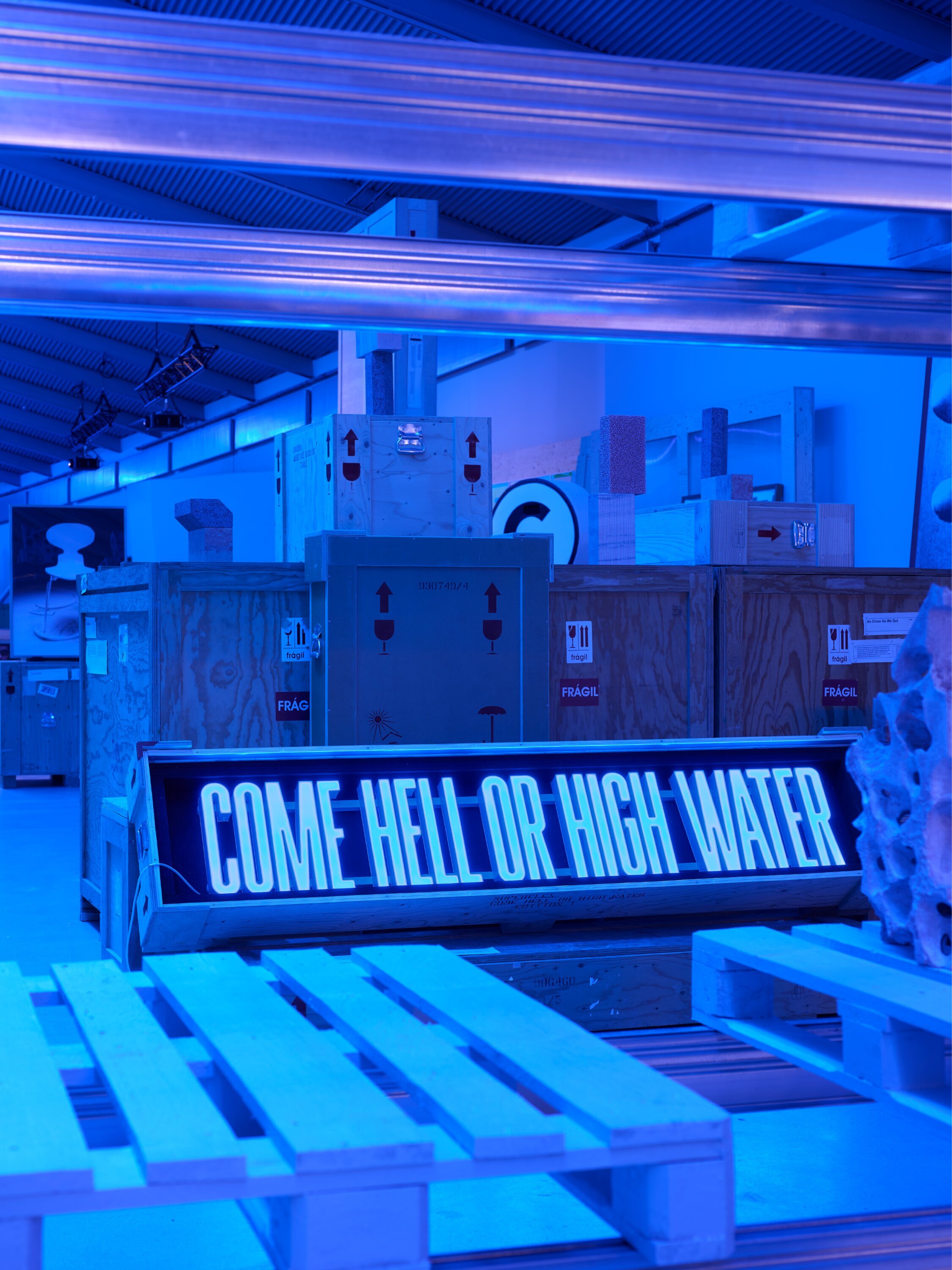
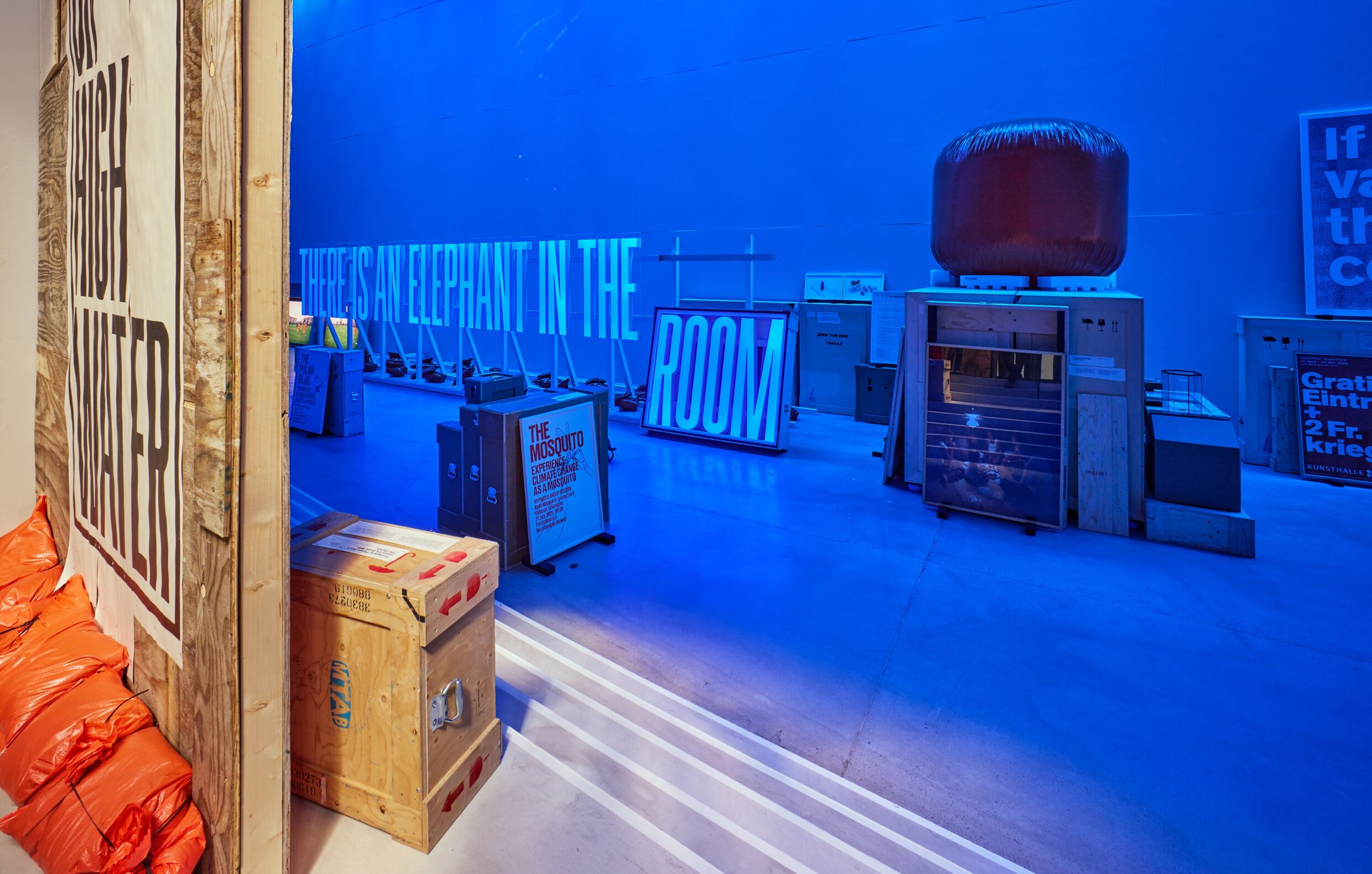
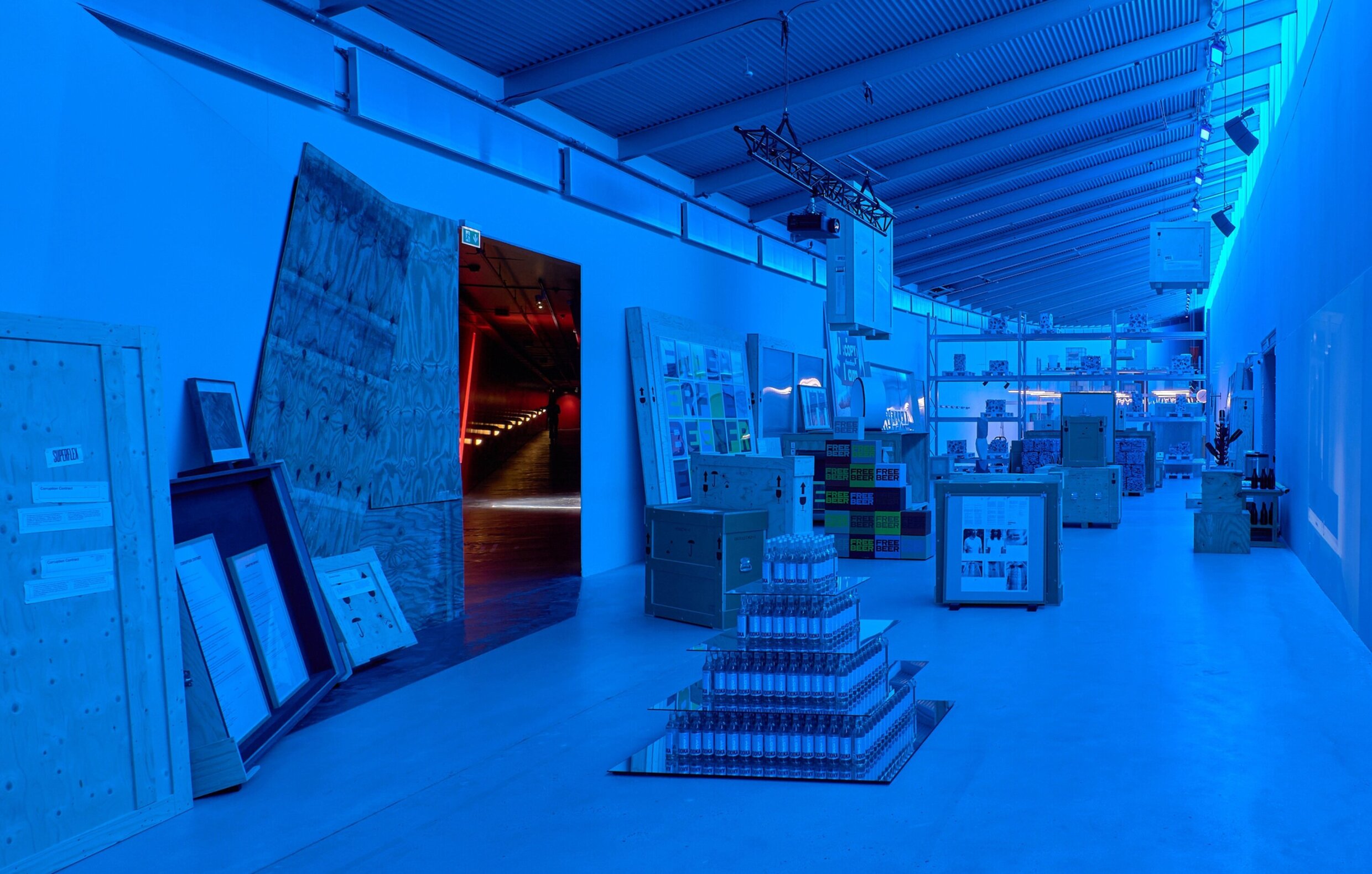
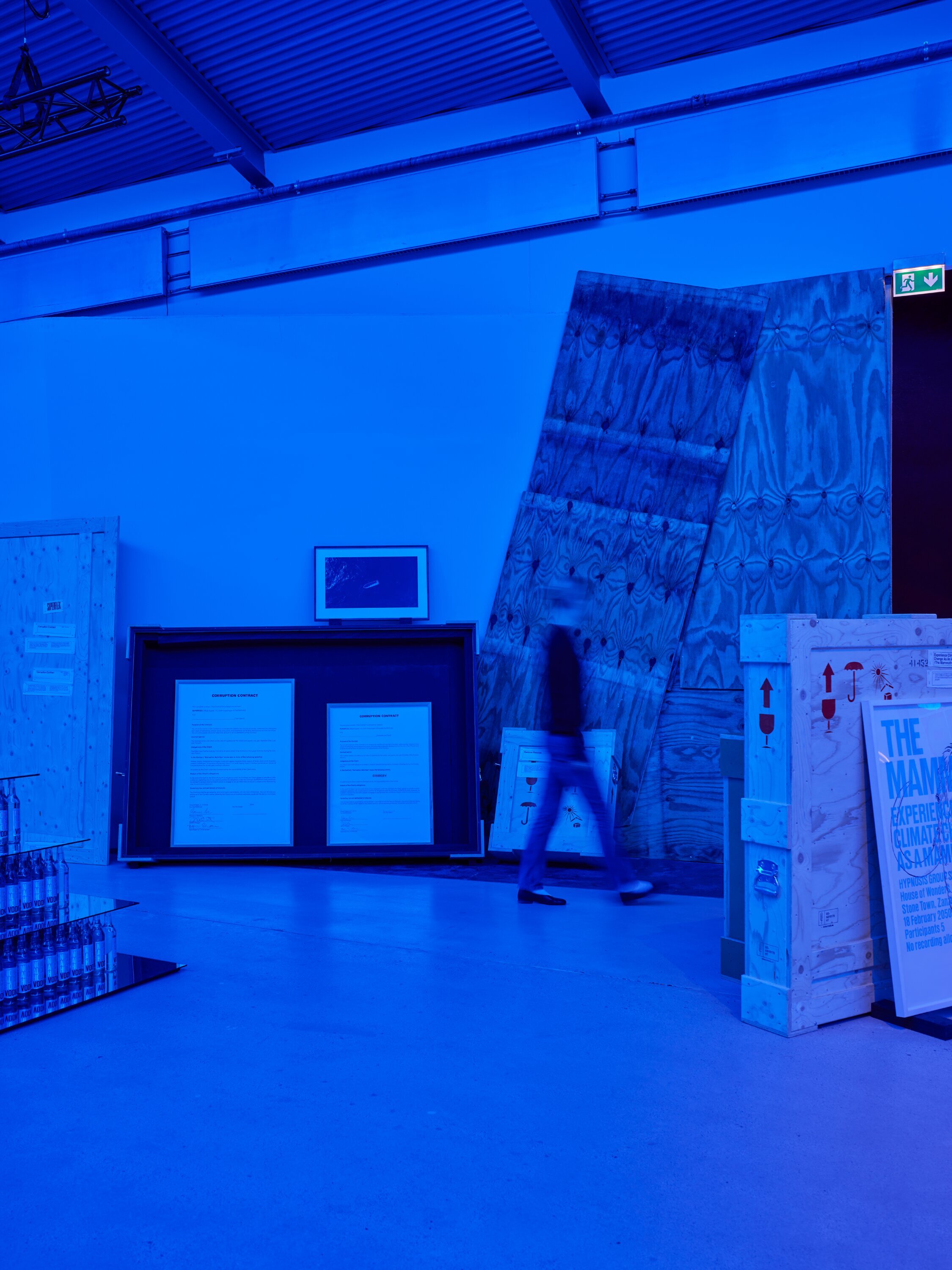
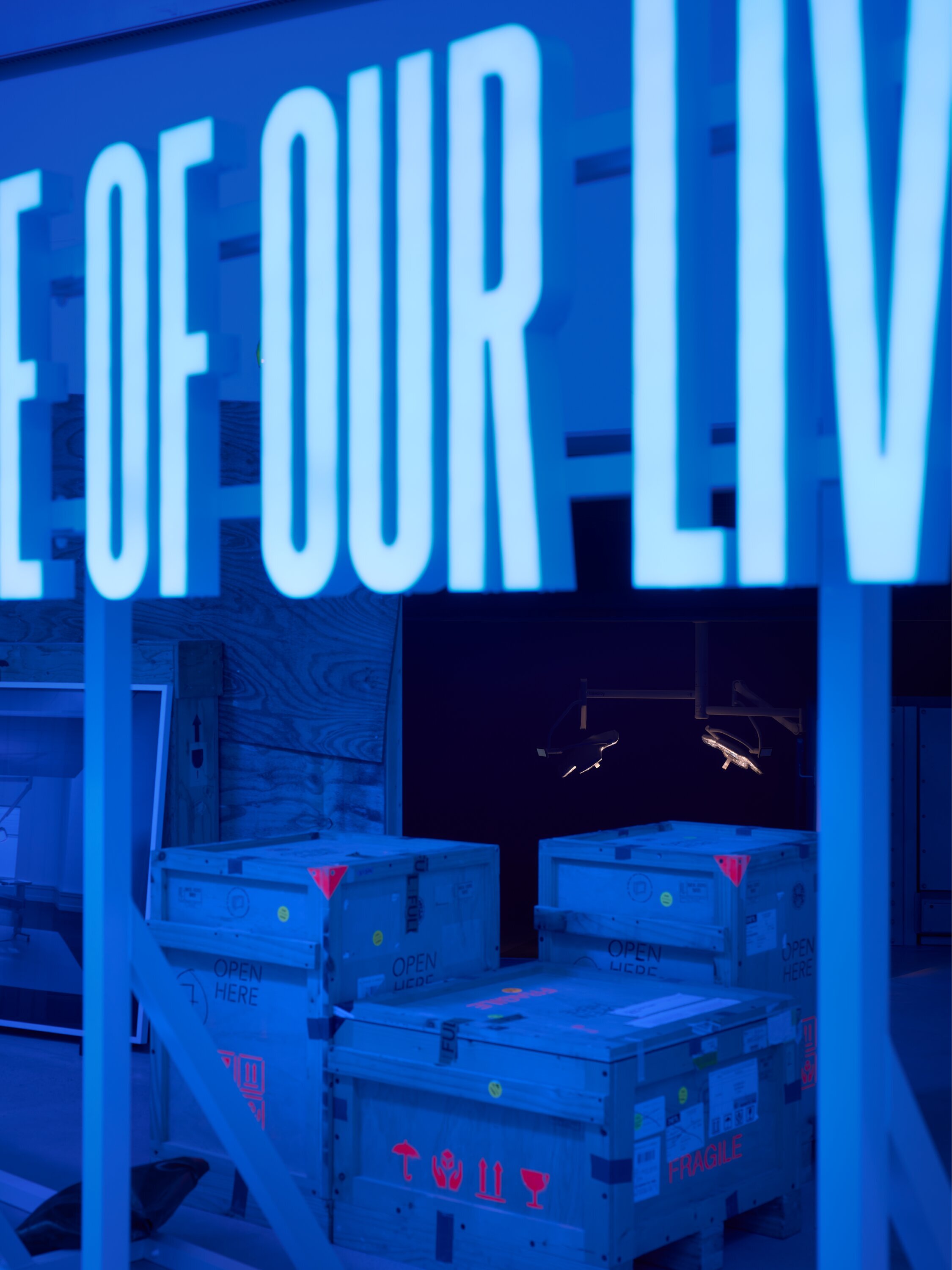
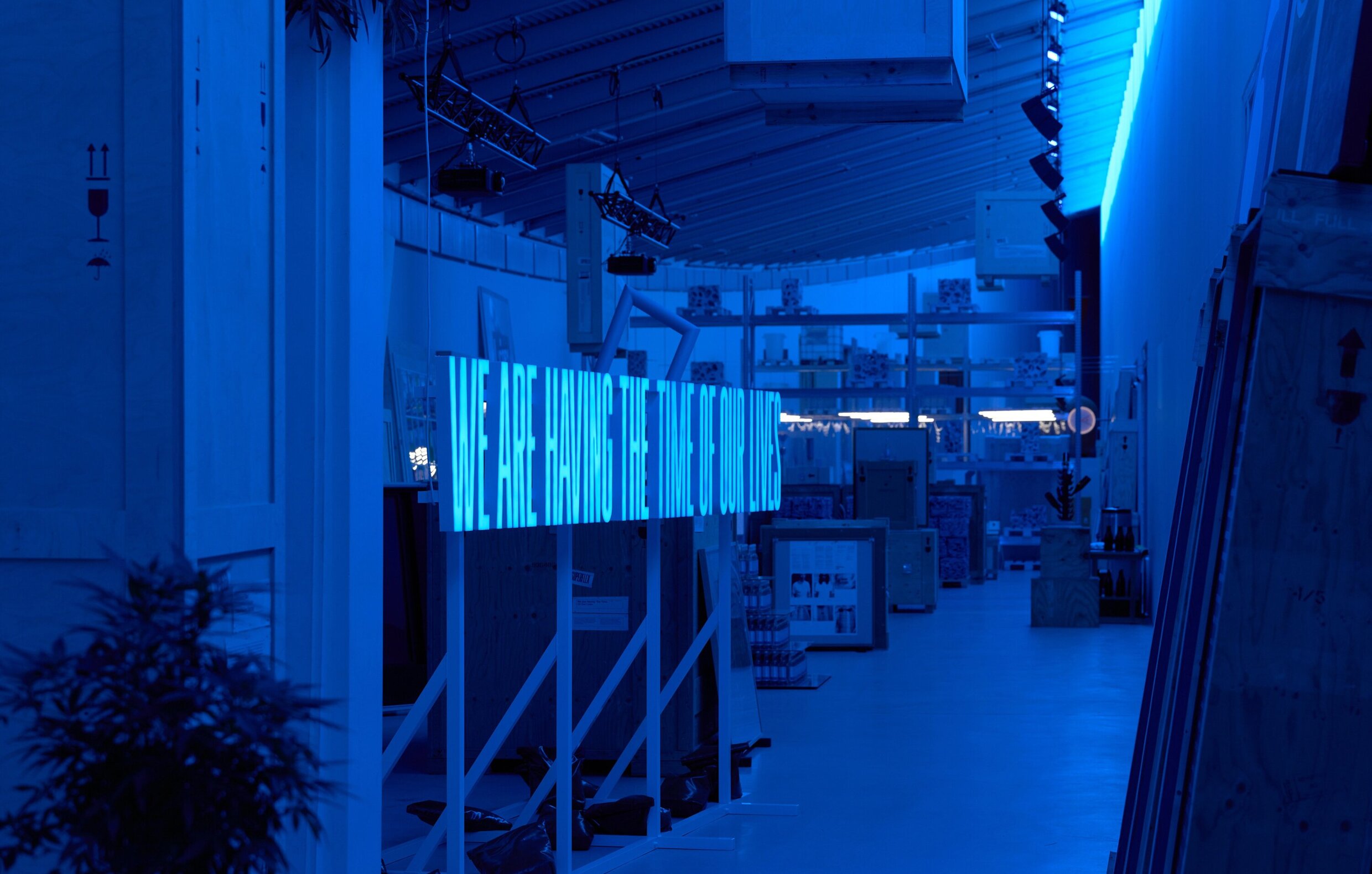
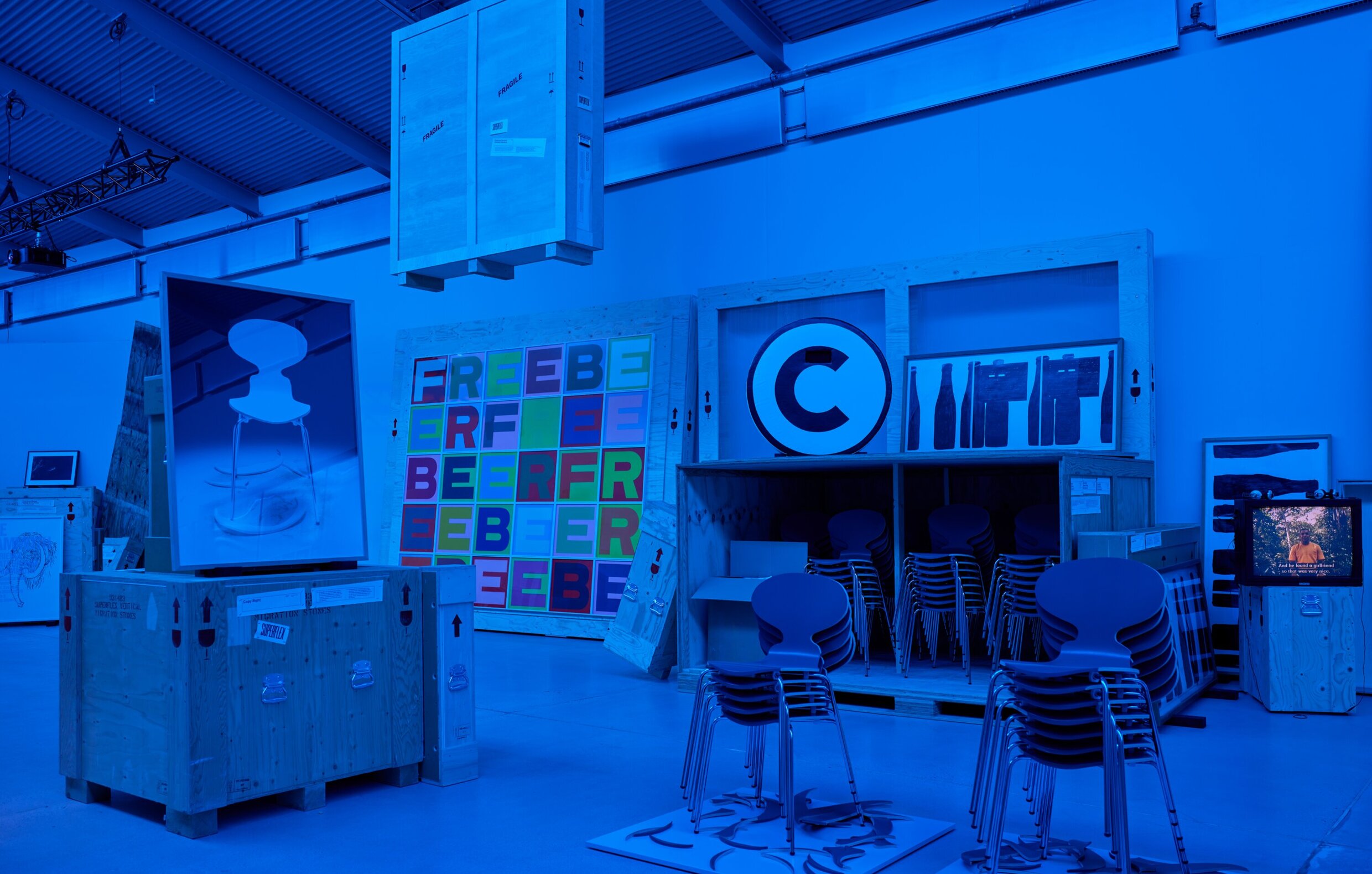
Upon arriving at Arken, the first things the visitor sees are piles of sandbags and a boarded-up wall at the entrace to the exhibition, as if in preparation for a storm or flood. In the large space, there will be a dense arrangement of crates in various parts of the exhibition, as if SUPERFLEX’s artworks were cargo—an archive of the practice from 1993 to the present. Throughout the exhibition, some of the crates may be opened by Arken professionals and be on display for shorter or longer periods. To further the feeling of submersion, some of the crates will be floating, seeming to defy the laws of gravity, as if they were underwater. Works will be installed as if they had just been removed from the crates, including Fish Cube, Flies Staring at Each Other, Vertical Migration, Beyond the End of the World, and more.
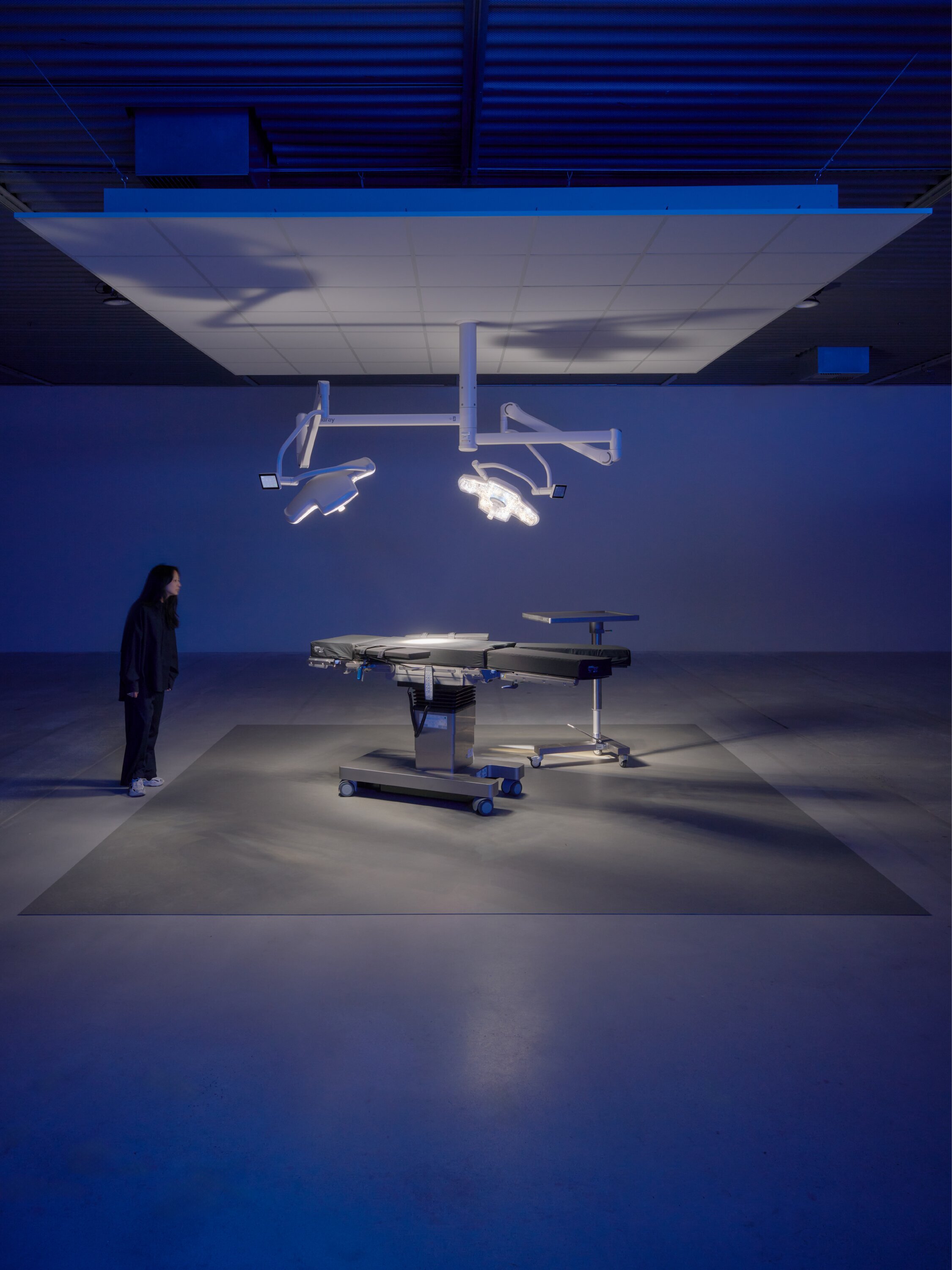
On the wall throughout the Axis, we will install Après Vous, Le Déluge, a sculptural blue dashed line that functions as an indicator of an invisible yet probable limit: the estimated future rise of sea level at Arken as a consequence of climate change according to the predictions of the 2015 Paris Agreement. At one end of the axis, SUPERFLEX will present Hospital Equipment, an installation of an operating table and medical equipment, accompanied by a photograph of the installation. When the exhibition ends, the photograph remains with the collector who purchases the work, but the operating equipment is shipped directly to a hospital in a conflict zone to be used by doctors and patients. In the cinema, SUPERFLEX will screen a selection of films about water, the sea, and other species from the last 15 years of their practice.
The show’s primary motivation is for visitors to relate to the fantastic worlds of the sea and to imagine interspecies living. Arken Museum is on a man-made island very close to the sea and soon it will be even closer, but many people don’t have a close relationship to it. The show will bring humans and marine life into closer proximity—working towards co-existence. Humans have a special ability to work together, some say it is our superpower, and the show will forefront the collective nature of both knowledge and work, because every response to climate transformation has to be collective.